
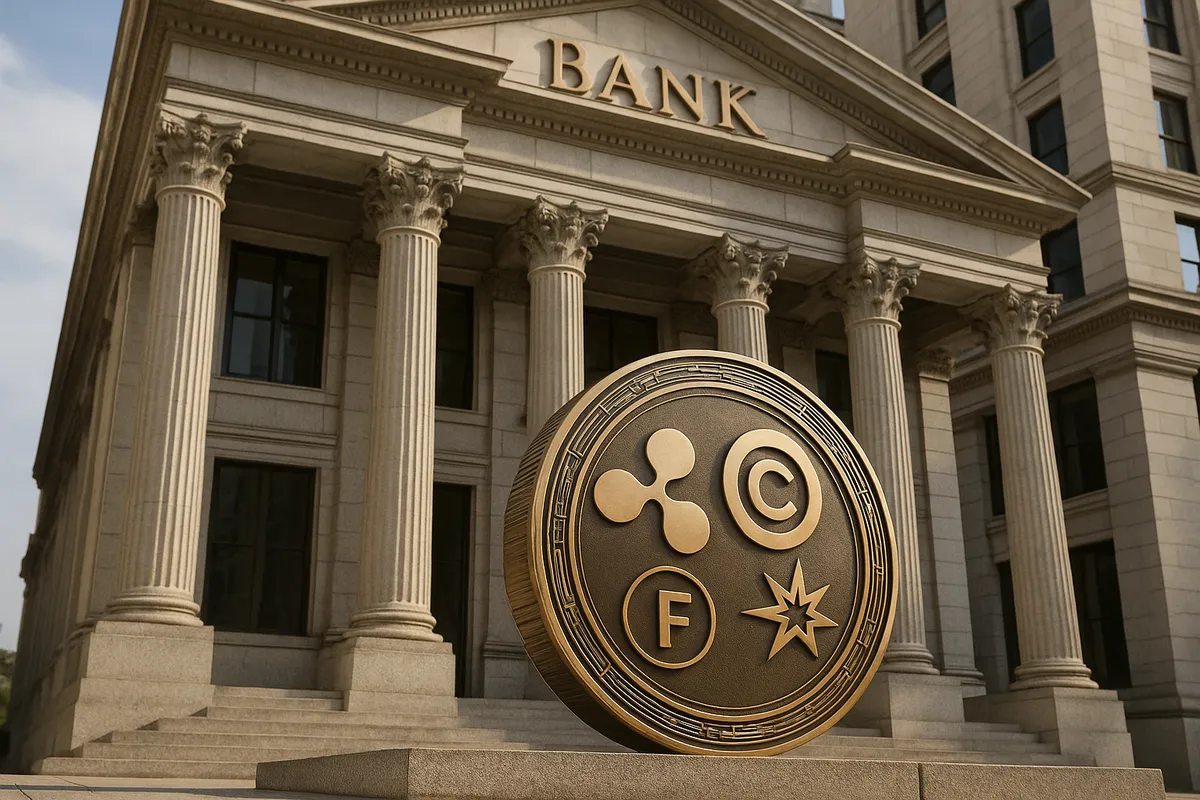
Five major crypto and fintech firms have moved a step closer to becoming regulated banks in the United States after receiving conditional approval from the Office of the Comptroller of the Currency (OCC). The decision signals a shift in how US regulators are integrating digital asset companies into the traditional financial system.
According to CoinDesk, the firms are Ripple, Circle, Fidelity Digital Assets, BitGo, and Paxos. Each has received preliminary approval to establish a national trust bank, a specialized banking charter that allows custody and fiduciary services but not retail deposits or lending.
The OCC confirmed that the approvals are conditional and subject to the firms meeting capital, governance, compliance, and risk management requirements. The companies must still satisfy supervisory conditions before they can begin operating as federally chartered trust banks.
What a national trust bank allows
A national trust bank charter enables firms to custody digital assets, manage client funds, and provide settlement and payment-related services under federal oversight. Unlike full commercial banks, trust banks cannot take insured deposits or make traditional loans.
For crypto firms, the charter offers a single federal regulatory framework rather than navigating multiple state-level licenses. It also places them under direct OCC supervision, aligning them more closely with the US banking system.
Circle and Paxos are both major stablecoin issuers, while Ripple operates blockchain based payment infrastructure. Fidelity Digital Assets and BitGo are key providers of crypto custody and institutional services.
According to Reuters, the move reflects a broader policy shift toward bringing large digital asset companies into regulated structures, rather than keeping them outside the banking perimeter.
Regulatory and political context
The approvals come as US regulators seek clearer rules for stablecoins and crypto market infrastructure. Lawmakers have debated how to regulate stablecoin issuers, particularly those holding large reserves of US Treasuries and cash equivalents.
Industry advocates argue that national trust bank status improves transparency and financial stability. Critics, including some banking trade groups, warn that crypto firms should face the same standards as traditional banks if they gain banking privileges.
Until now, Anchorage Digital has been the only crypto firm operating under a federal bank charter. The OCC’s latest approvals suggest that this model could soon expand to a broader group of digital asset companies.
For Europe, the development is closely watched as the European Union advances its own regulatory framework under MiCA and continues work on the digital euro. The US decision may influence how global regulators view the role of stablecoin issuers and crypto infrastructure firms within the formal banking system.