
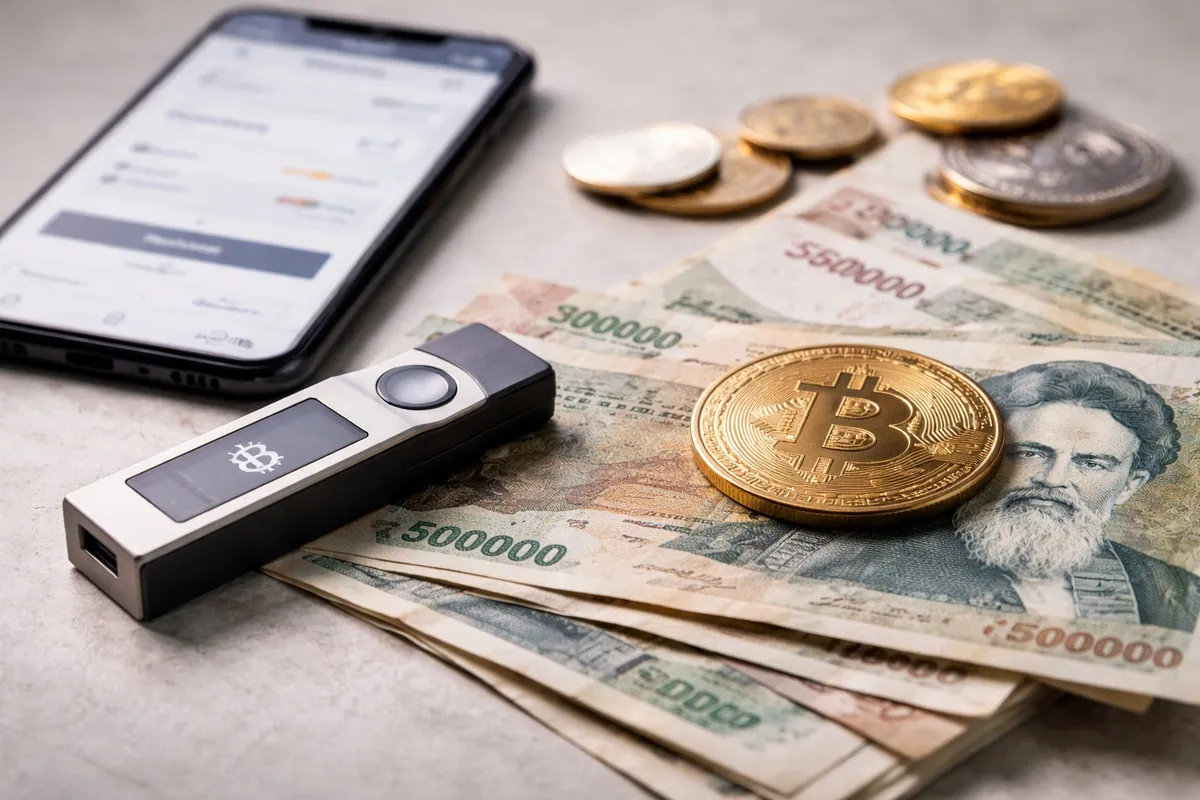
Bitcoin activity in Iran is rising sharply as protests and a collapsing currency push citizens toward alternative forms of money. Blockchain data shows that the country’s crypto market reached an estimated $7.8 billion in 2025, with a noticeable surge in Bitcoin withdrawals from exchanges during recent unrest.
According to Chainalysis, users are increasingly moving Bitcoin into private wallets rather than leaving funds on centralized platforms. This shift toward self-custody is often seen during periods of political instability or capital controls, when access to banks and exchanges can no longer be taken for granted.
The trend coincides with renewed pressure on the Iranian rial, which has lost much of its value amid inflation, sanctions, and economic isolation. For many households, holding savings in local currency has become a losing proposition. Bitcoin, despite its volatility, offers an asset that cannot be devalued by domestic policy or frozen by local authorities.
Chainalysis described the withdrawal spike as a rational response to worsening economic conditions. Taking custody of crypto reduces exposure to exchange shutdowns, regulatory crackdowns, or internet disruptions, all of which have affected Iran in past crises.
The data also points to a more complex crypto landscape. Addresses linked to the Islamic Revolutionary Guard Corps accounted for a significant share of activity in late 2025, suggesting that state-linked actors may also be using crypto to move funds or navigate sanctions.
For European policymakers debating the digital euro, Iran offers a real-world reminder of what happens when trust in money breaks down. When cash loses value and banks feel unsafe, people look for exit options. In Iran today, Bitcoin is increasingly serving that role.