
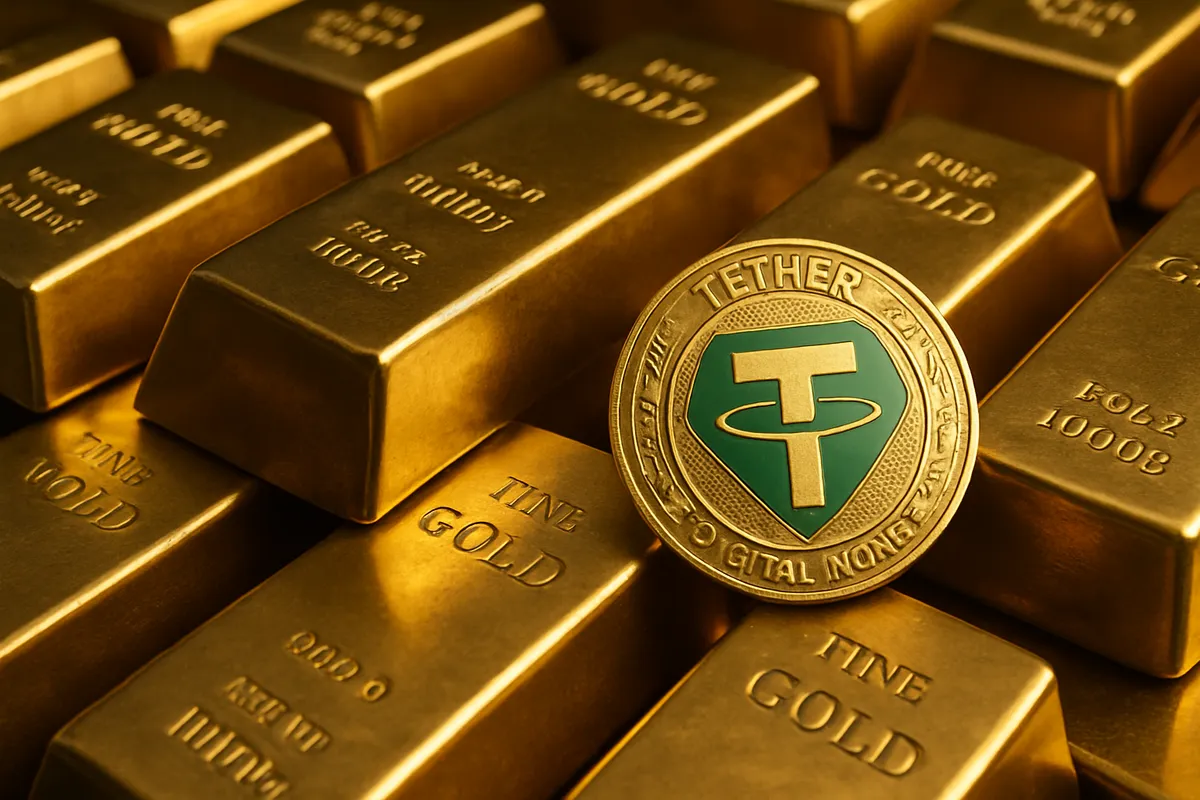
Tether sharply expanded its gold holdings in the third quarter of 2025, buying an estimated 26 tonnes of bullion and overtaking all central banks as the largest official-sector gold buyer during the period, according to analysis by Jefferies.
The purchases lifted Tether’s total gold reserves to around 116 tonnes by the end of the quarter. At that level, the stablecoin issuer now holds a stockpile comparable in size to the central banks of South Korea, Greece, and Hungary, placing it among the top tier of global gold holders.
Jefferies’ analysis highlights the unusual position Tether now occupies, with balance sheet decisions increasingly resembling those of sovereign reserve managers rather than a private fintech company. Analysts said the scale and pace of the accumulation underline how large stablecoin issuers are becoming influential participants in markets traditionally dominated by central banks.
Only a small portion of Tether’s gold backs XAUT, the firm’s tokenised gold product. Less than 12 tonnes are allocated to the digital token, while the remainder sits within Tether’s broader reserves. Gold now represents roughly 7 percent of the company’s total asset mix, alongside cash and US Treasury securities.
The report suggests that the aggressive accumulation reflects both strong profitability from USDT issuance and a deliberate effort to diversify reserves away from purely dollar-based assets. As USDT circulation continues to grow, Jefferies expects gold to remain a strategic component of Tether’s reserve policy, even if future regulatory frameworks place tighter constraints on asset composition.
From a policy perspective, the findings add a new dimension to ongoing debates around stablecoin oversight. A private issuer holding gold reserves on a scale comparable to national central banks raises questions about transparency, disclosure standards, and systemic relevance, particularly if such firms continue to expand across borders.
For European regulators and central bankers, Tether’s growing gold position may also feed into broader discussions about monetary sovereignty and the role of public money. As stablecoins gain scale, their reserve strategies increasingly intersect with issues traditionally reserved for central banks, including asset safety, market impact, and crisis resilience.
Jefferies noted that further growth in Tether’s balance sheet is likely to attract closer scrutiny from regulators, especially as the company’s influence extends beyond digital assets into core commodity and financial markets.