
Close Menu
Digital Euro News
    What's Hot

    DigitalEuroNews.com Is Now Available for Acquisition

    ECB Pushes Tokenised Finance Strategy With Pontes and Appia Infrastructure Plans

    Eurosystem Unveils Appia Roadmap to Build Europe’s Tokenised Financial Ecosystem

    X (Twitter)
    Digital Euro News
    • Latest
    • Digital Euro
    • CBDC
    • Fintech
    • Crypto
    • Policy
    • Analysis
    Digital Euro News
    Home»Crypto»Trust Wallet Browser Extension Hack Raises Fresh Security Concerns
    Crypto

    Trust Wallet Browser Extension Hack Raises Fresh Security Concerns

    A malicious update led to roughly $7 million in crypto losses, highlighting risks in browser-based wallets.
    By Rinat MirzaitovDecember 29, 20252 Mins Read
    Share
    Facebook Twitter LinkedIn Email Telegram WhatsApp Copy Link

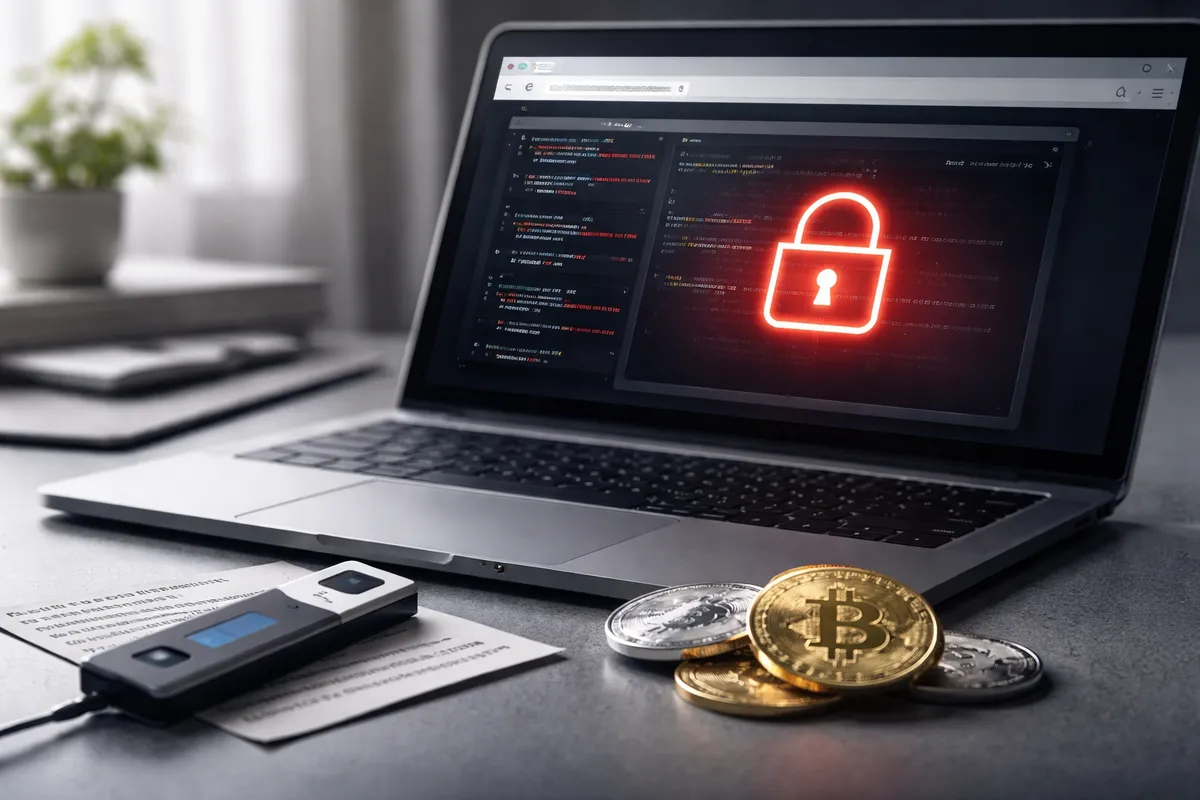
    A security breach affecting the browser extension of Trust Wallet has resulted in an estimated $7 million in stolen cryptocurrency, underscoring persistent vulnerabilities in consumer crypto infrastructure. The incident, reported by Yahoo Finance, involved a malicious software update that exposed users’ recovery phrases, allowing attackers to drain funds without further interaction.

    According to the report, the issue was limited to a specific version of Trust Wallet’s Chrome extension. Malicious code was embedded into what appeared to be a routine update, creating a supply-chain-style attack. When affected users opened the extension or imported their seed phrases, the compromised software silently transmitted that sensitive information to an attacker-controlled server.

    With access to those seed phrases, attackers were able to recreate victims’ wallets elsewhere and transfer funds out. Losses were spread across multiple blockchains, including major networks such as Bitcoin and Ethereum. Trust Wallet said its mobile applications were not affected.

    Trust Wallet moved quickly to remove the compromised extension version and released an updated build, urging users to upgrade immediately. The company also advised anyone who used the affected version to assume their wallet credentials were compromised and to move any remaining assets to a new wallet with a fresh recovery phrase.

    The incident drew a response from Binance, which owns Trust Wallet. Binance said it would reimburse affected users and support investigations into how the malicious update was published through the Chrome Web Store.

    While browser extensions have become a popular way to access decentralised applications, the episode highlights their structural risks. Unlike hardware wallets, browser-based wallets operate in environments more exposed to malware, compromised updates and third-party platform weaknesses.

    For European policymakers and financial institutions watching the evolution of digital money, the case offers a cautionary contrast. As the European Central Bank continues work on the digital euro, officials have repeatedly stressed the importance of controlled distribution, robust security standards and clear liability frameworks, areas where parts of the crypto ecosystem still rely heavily on user self-custody and trust in private software supply chains.

    The Trust Wallet breach serves as a reminder that convenience in digital finance often comes with trade-offs, and that security failures can have immediate and irreversible consequences for users.

    Share. Facebook Twitter LinkedIn Email Telegram WhatsApp Copy Link

    Related Posts

    Western Union Plans Dollar Stablecoin on Solana to Modernise Cross-Border Payments

    March 5, 2026

    Visa and Bridge Expand Stablecoin Card Plans to 100 Countries

    March 4, 2026

    Bitcoin Slides to $66,000 as Trump Linked Crypto Venture Faces Investigation

    February 13, 2026

    Iran’s Crypto Market Hits $7.8 Billion as Bitcoin Withdrawals Surge During Protests

    January 16, 2026
    Important Posts

    DigitalEuroNews.com Is Now Available for Acquisition

    ECB Pushes Tokenised Finance Strategy With Pontes and Appia Infrastructure Plans

    ECB Digital Euro Pilot Reveals How Banks, Wallets and Payments Will Interact

    DigitalEuroNews.com is an independent news and information platform. It is not affiliated with, endorsed by, or connected to the European Central Bank, the European Union, or any other governmental or financial authority. DigitalEuroNews.com is also not associated with Euronews.com. All content, articles, and opinions published on this website are provided for informational purposes only and do not constitute financial, legal, or professional advice.

    X (Twitter) LinkedIn RSS

    DigitalEuroNews.com Is Now Available for Acquisition

    ECB Pushes Tokenised Finance Strategy With Pontes and Appia Infrastructure Plans

    Eurosystem Unveils Appia Roadmap to Build Europe’s Tokenised Financial Ecosystem

    ECB Digital Euro Pilot Reveals How Banks, Wallets and Payments Will Interact

    Subscribe to Updates

    Get the latest Digital Euro and fintech updates.

    © 2026 DigitalEuroNews.com | Home | Privacy Policy | Terms of Service | About Us | Contact Us

    Type above and press Enter to search. Press Esc to cancel.